LOS Low Code
MSME Platform to automate and manage loan applications
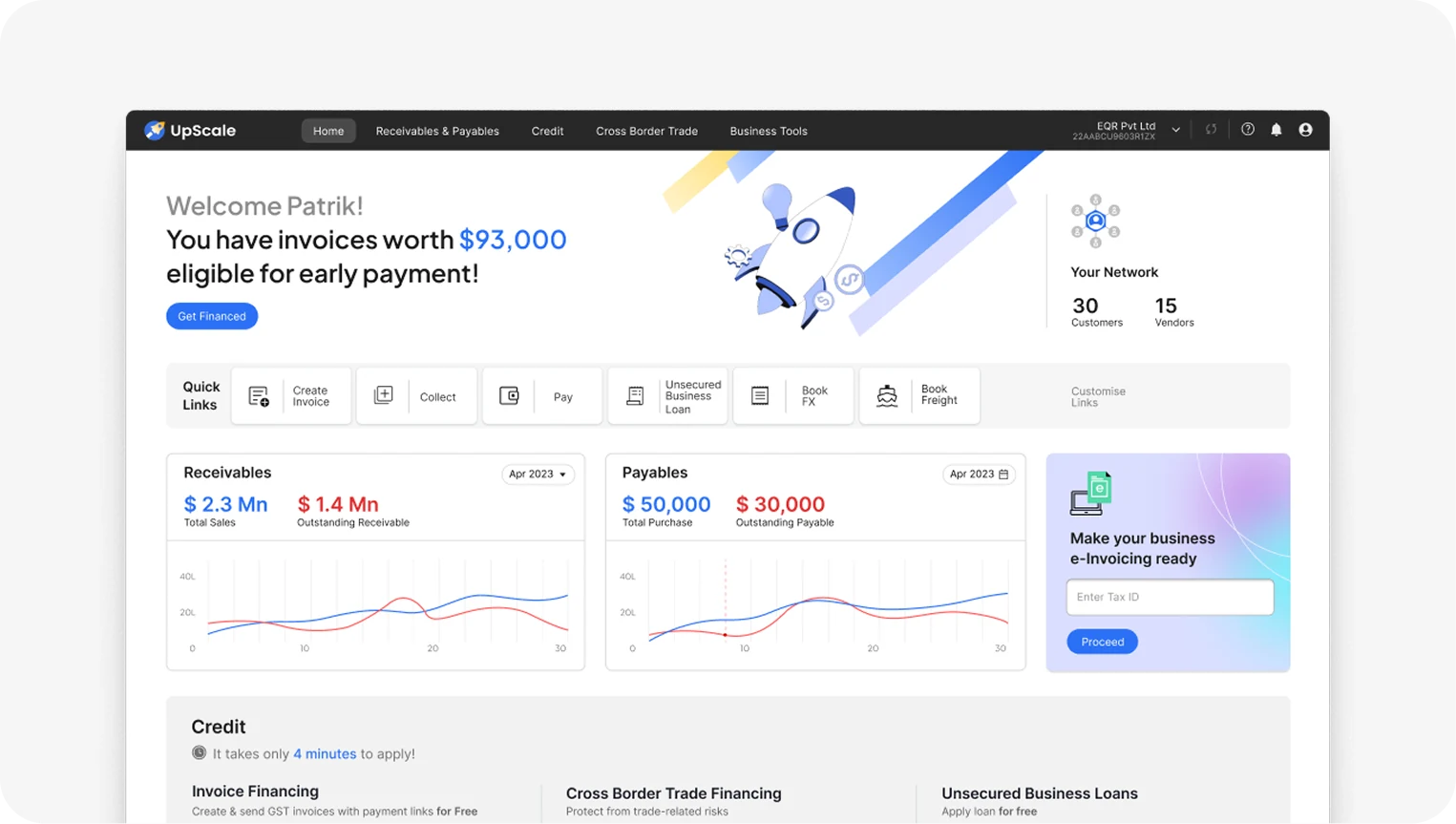
MSME Platform to automate and manage loan applications
LOS module serves as a critical component of CredAble's offerings, empowering clients to streamline their lending processes and enhance their financial operations. However, the manual customization process was impeding our ability to scale effectively and meet the diverse needs of our clients.
As a Senior UX Designer, I played a key role in leading a user-centric design approach, mentoring the team in that led collaborative problem-solving sessions, and facilitated the prototyping and iteration process. Additionally, I managed stakeholder expectations and ensured alignment between design decisions and business goals. Overall, my contribution was instrumental in delivering a successful low-code solution that prioritized user experience and met the needs of our clients efficiently.
At CredAble, we faced a significant challenge with our LOS module, which we provide as a white-label solution to our clients. Each client required a personalized white-label journey, resulting in extensive effort from our stakeholders—designers, product managers, and tech teams—spanning 4-8 weeks per customization. This process was time-consuming, hindering our ability to scale efficiently and meet the demands of our growing client base.
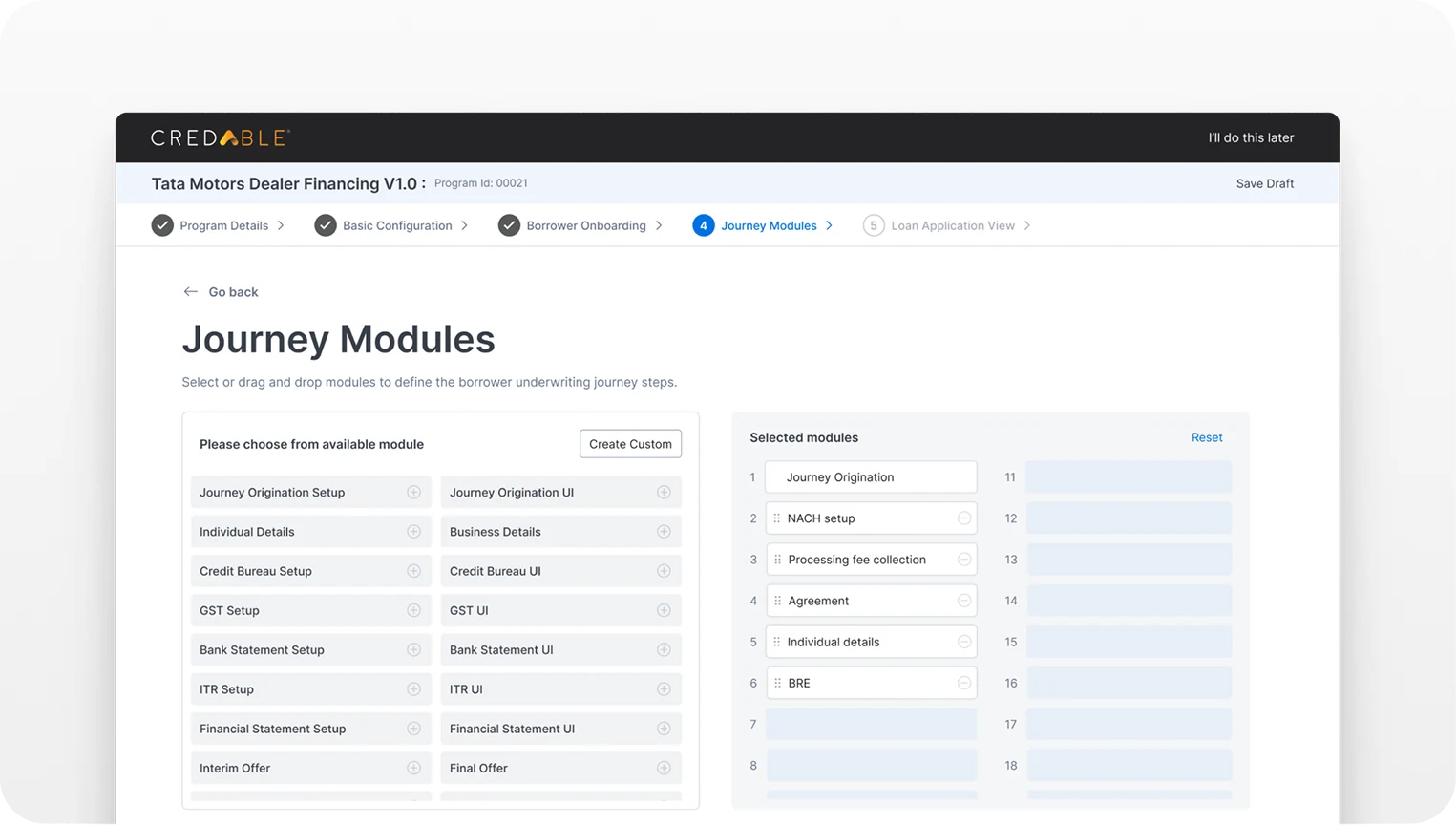
To address this challenge, we embarked on a project to create our LOS journey using low-code technology. By leveraging low-code development, we aimed to streamline the customization process, reduce development time, and empower our clients to personalize their white-label journey with minimal effort.
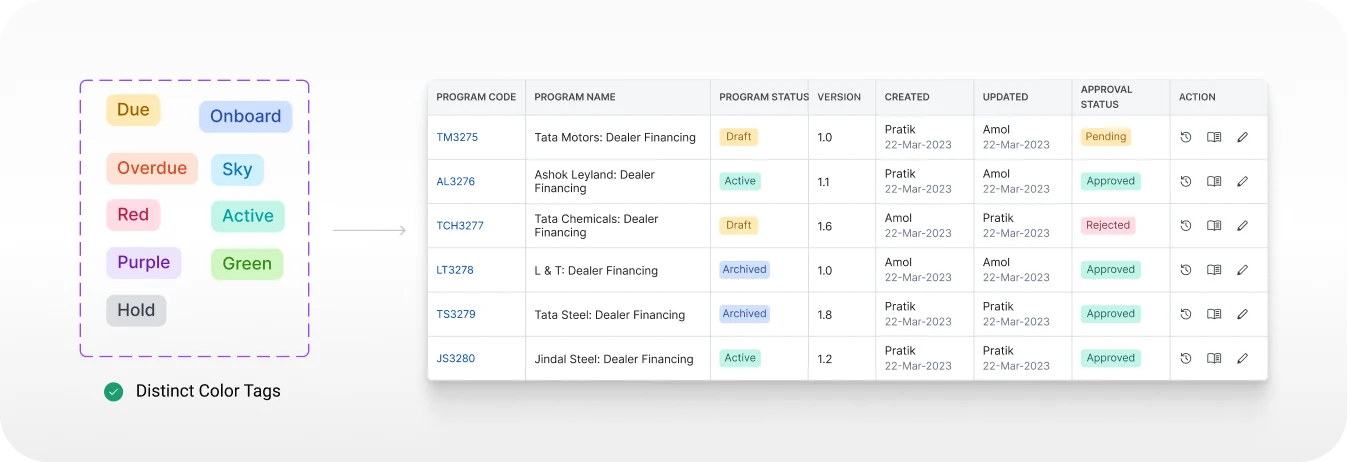
Initially, we figured out how many categories can be there when it comes to status scenarios. Then we decided to go with distinct color for each scenario so as to create a visual awareness as per the use case.
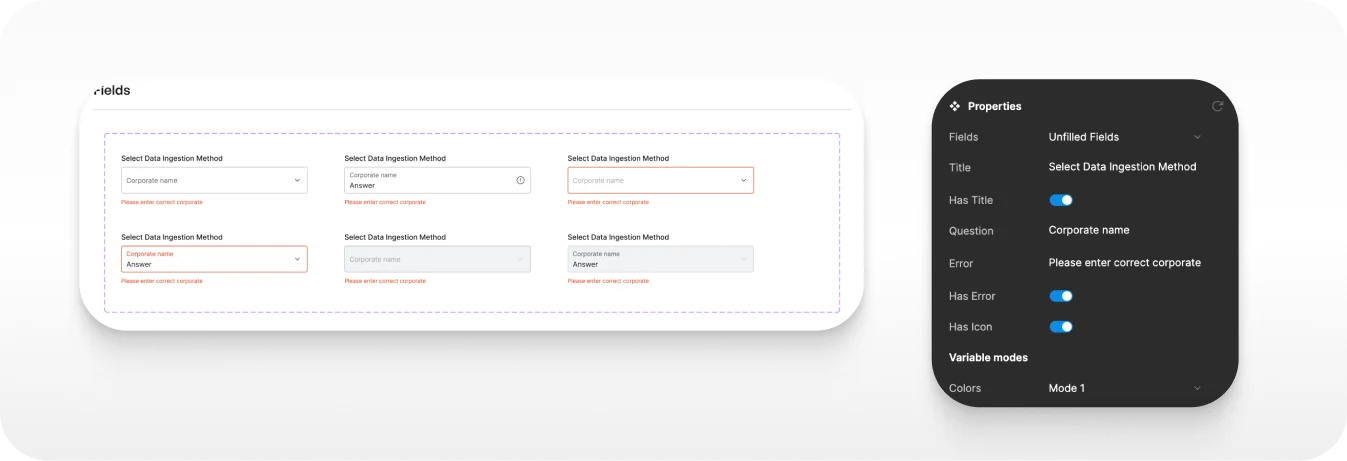
We decided to create fields using variants in Figma, which helps us reducing the complexity of instances, making easier components as we no longer needs to shift through multiple variation of the same component, or wonder which is the right one which led us to saving a lot of time and efforts.
Being the core interaction point, the goal was to create seamless edit and view section while encouraging the user to access all the information they have filled and yet to be filled.
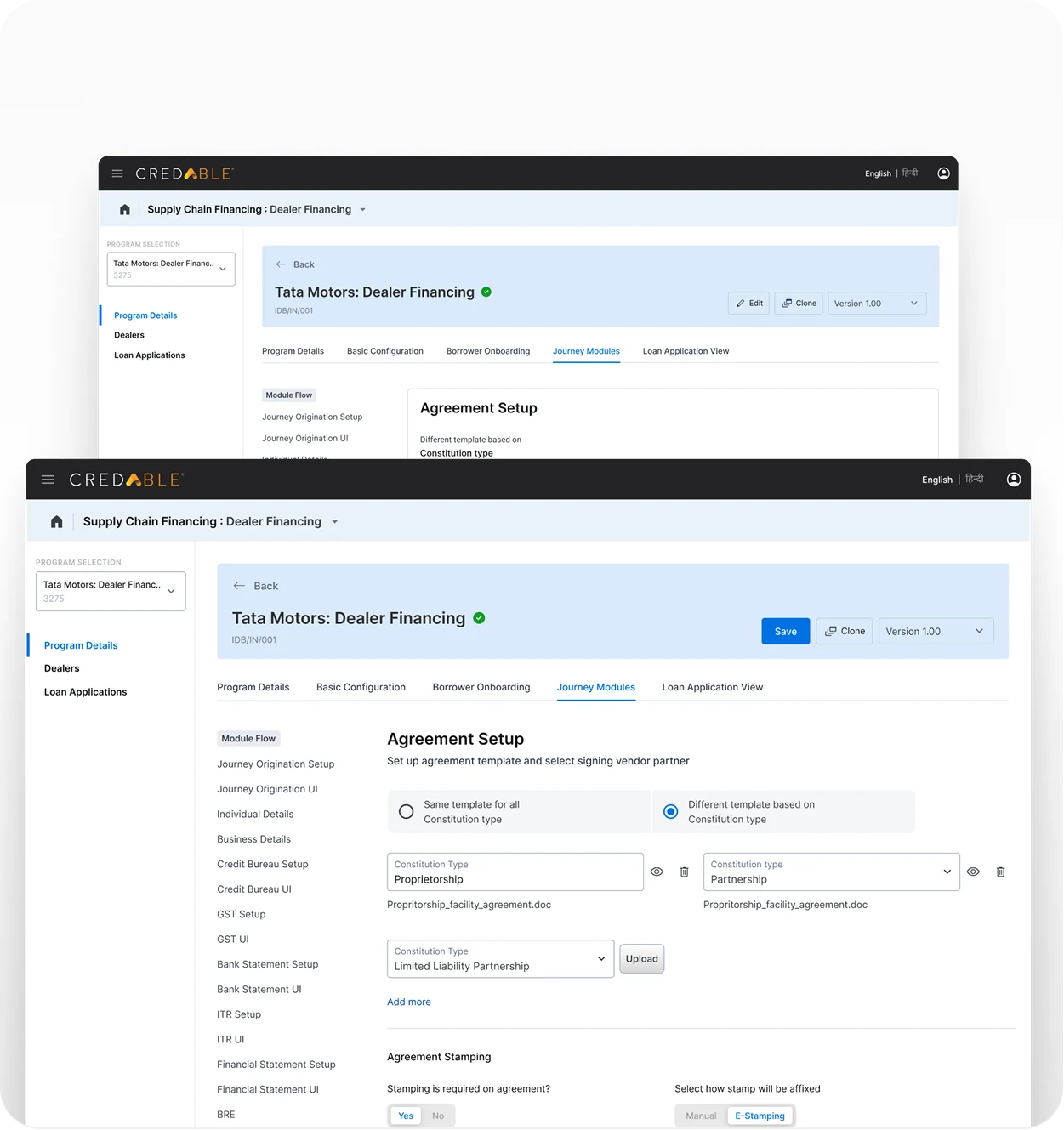
In conclusion, our transition to a low-code approach for LOS journey customization has revolutionized our workflow, enabling us to deliver personalized white-label solutions to our clients in a fraction of the time previously required. This initiative demonstrates our commitment to innovation, efficiency, and delivering exceptional user experiences that drive business success. Now, instead of taking 4-8 weeks, customizing the LOS journey for our clients only takes 1-2 weeks.
Designing a complex large scale app doesn't just take a few months. It is important to think about many different use cases and design for everyone. Especially the people who ground the product and help insure it's longevity.
We often come up with an "ideal" solution that required lots of effort to develop. Later down the design process, that solution may not fit anymore. It is important to set aside sunk cost and focus on the user experience.